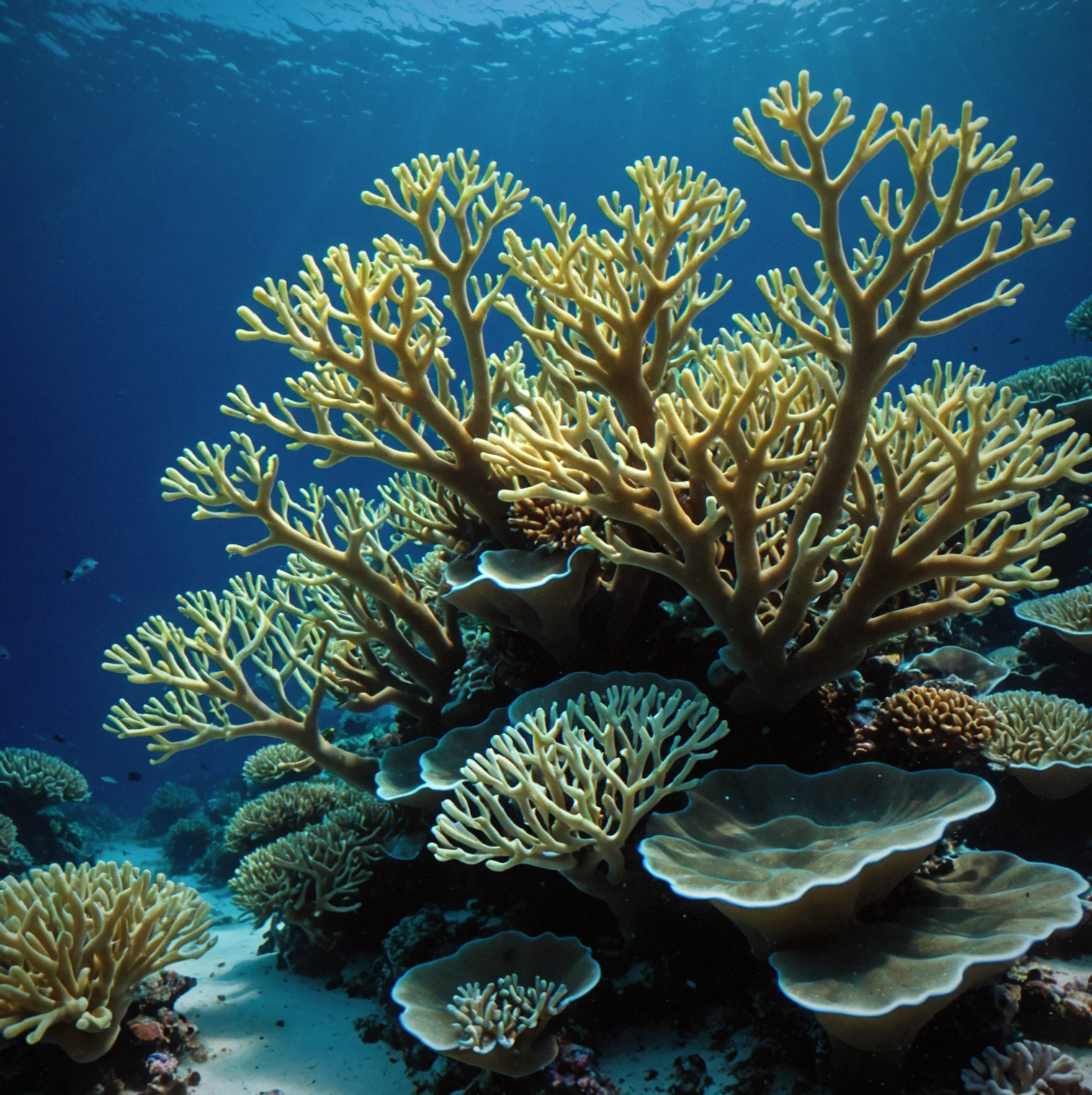
Staghorn coral with polyps open under blue light, substrate visible below
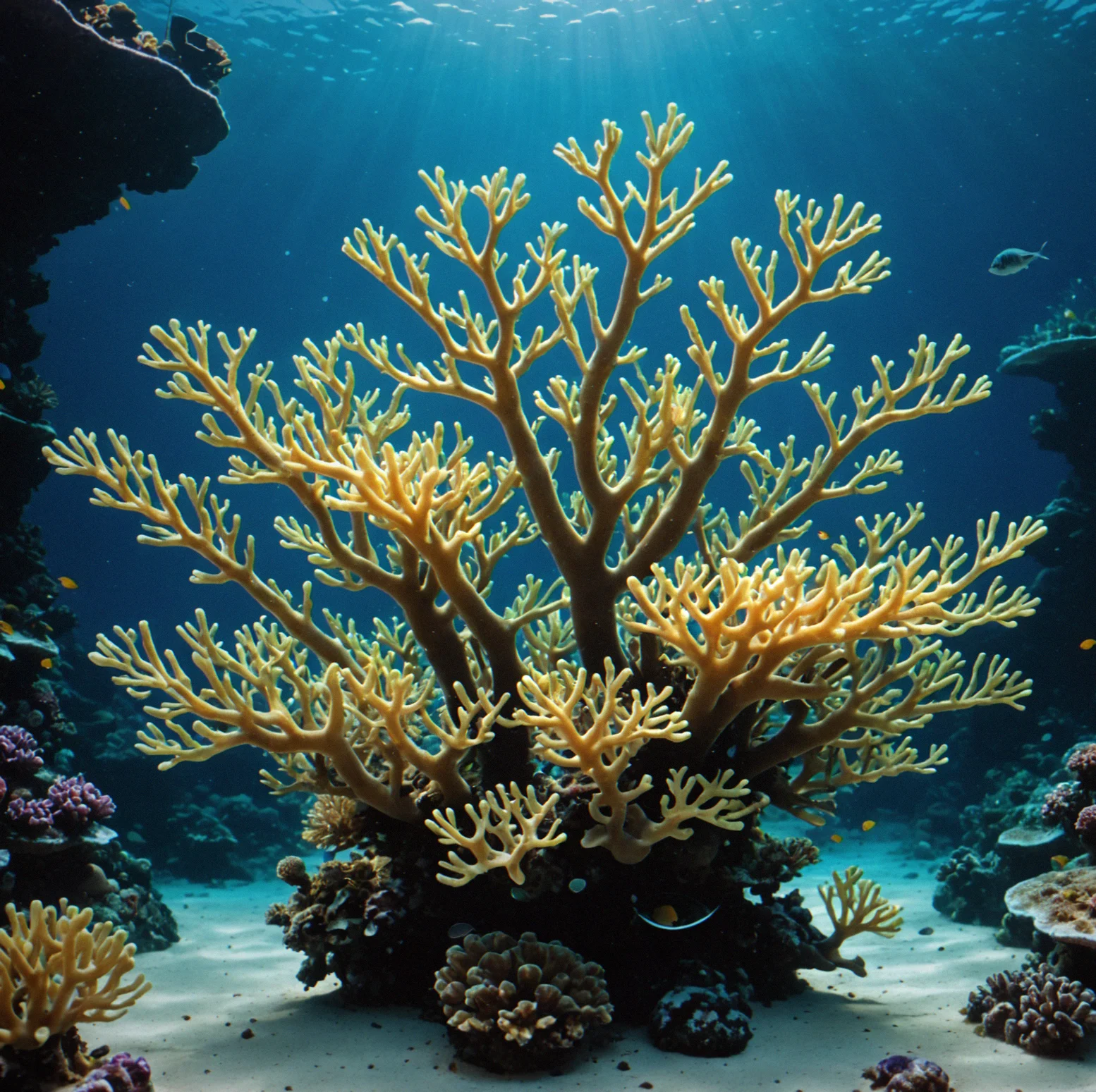
Plant staghorn, brain, and elkhorn coral while keeping salinity, pH, and light in check. Your reef behaves like the real thing—the same way marine biologists actually do restoration work in the field.
There's something meditative about tending a living system. You'll unlock actual conservation info as you play: reef bleaching, how symbiosis works, what restoration actually involves.
You get a fragment to start with. Something small and delicate, maybe the size of your thumb. Drop it in the tank and the game goes quiet. There's no tutorial, no instruction panel. Just you and a piece of coral. So you start tweaking things. Salinity needs to hover around 1.025. You keep an eye on the pH, nudging it toward 8.0. Then one day you notice the polyps have retracted and you realize yesterday they were out and open. You bump up the alkalinity and they unfurl again. It's this simple back-and-forth that somehow never gets old.
Real coral restoration work operates on the same principle, except the stakes are completely different. Scientists are out there with hundreds of fragments, watching ocean temperatures climb, trying to preserve ecosystems that might cover less than a percent of the seafloor but somehow keep a quarter of all marine life alive. Bluegarden distills that into something you can do for twenty minutes before sleep. The pressure's off but the mechanics stay true. Your coral reacts when you mess up the parameters, so you actually understand why salinity and pH matter instead of just memorizing them.
Spend a few weeks tending to things and you'll stumble onto something about zooxanthellae—tiny algae living inside the coral itself. When water gets too warm, they bail out. That's bleaching. The game doesn't cut to a scene or pop up a fact box. You learn it because you've been watching how your coral moves with light and temperature, and suddenly it all connects. The science stops being abstract.
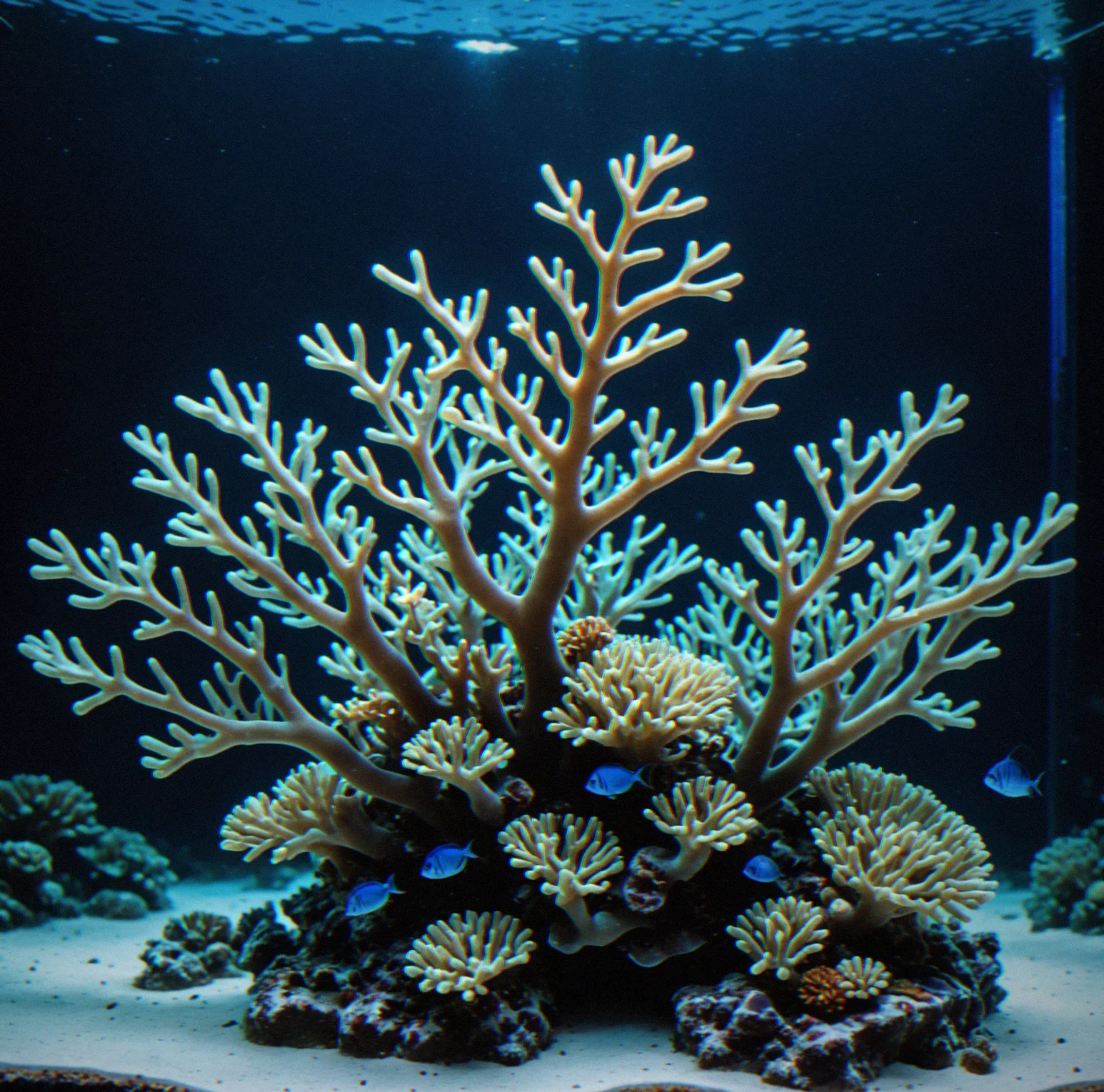
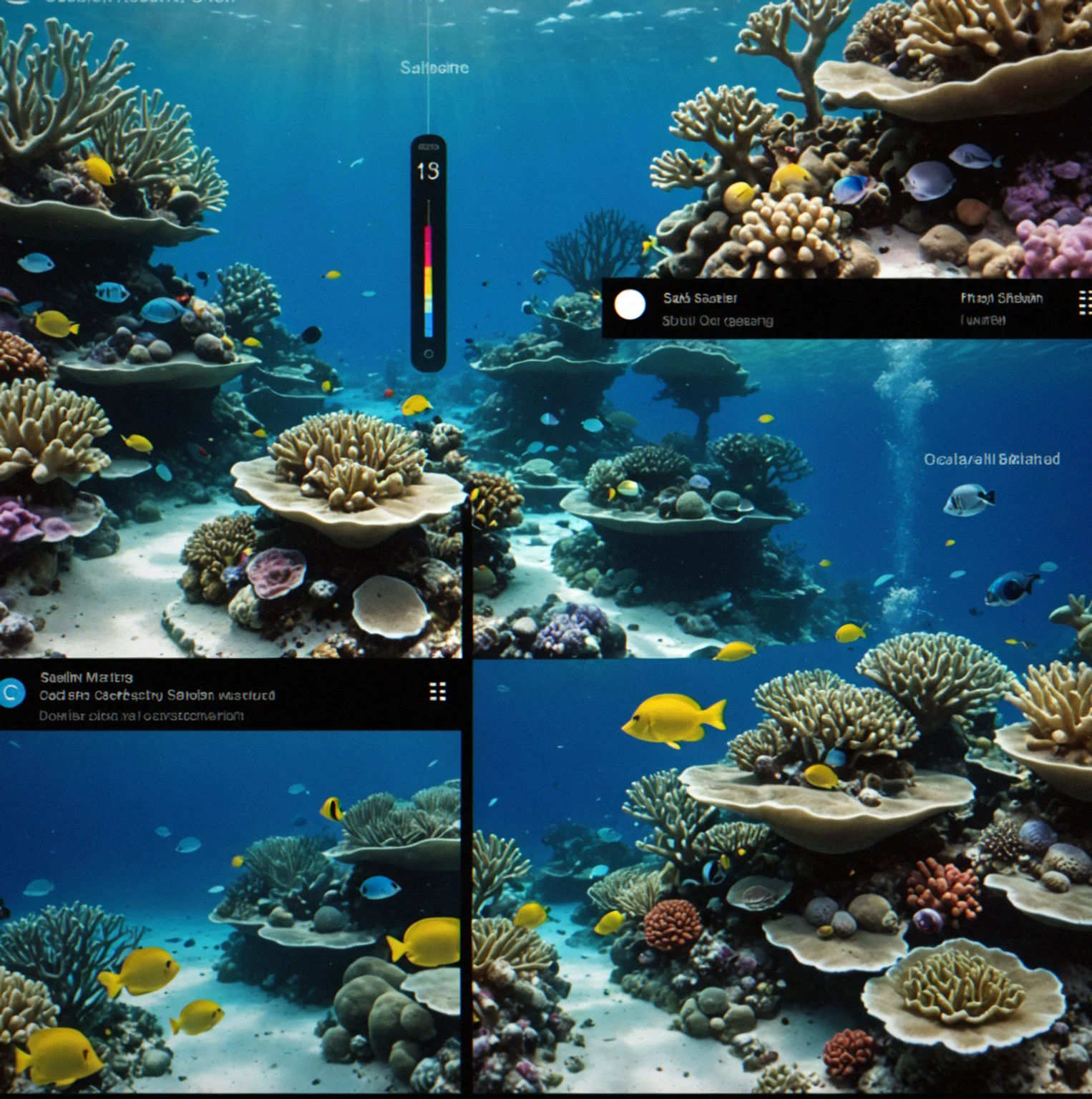
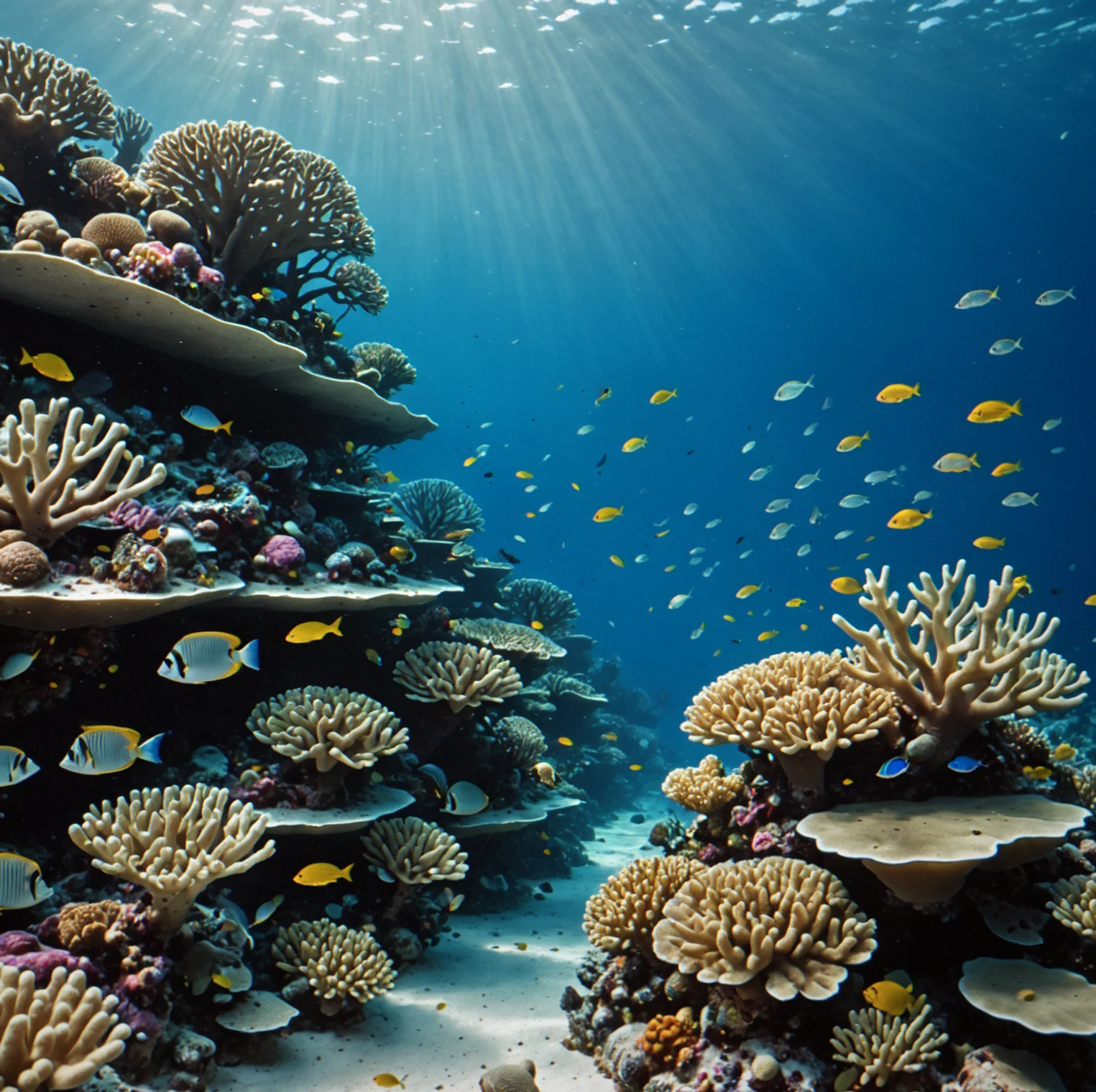
Salinity, pH, calcium, alkalinity, phosphate. They all drift at their own pace and each one shapes how your coral grows. You're managing them because the coral needs it, not because a quest told you to.
Staghorn moves fast when conditions are right. Brain coral can take months but has been around for centuries in the wild. Elkhorn demands specific light. You figure it out through trial and error, not by looking it up.
About 30% of coral worldwide has gone through severe bleaching. Elkhorn populations in the wild have basically vanished. Real restoration teams are out there growing fragments in tanks exactly like yours, then moving them back to reefs. You're learning what actual marine biologists know.
Bluegarden is built around specific mechanics and real biology. Here's what that means in practice.
Staghorn, brain, and elkhorn coral — the same species marine biologists are atcually restoring in nurseries right now. Each one has its own growth rates, light needs and how fragile it is. You learn by keeping them alive.
Salinity, pH, calcium, alkalinity, phosphate. This isn't a minigame or some watered-down version. You're monitoring them because your coral actually depends on it. Drift too far and growth stops. That's how it works in the real world.
Play whenever you feel like it. Coral grows on its own timeline. Check in every day and you'll catch small shifts. Take a week off and you come back to real progress. It's meditative because it respects how you actually want to spend your time.
About a third of the world's coral has gone through severe bleaching. Restoration nurseries exist because wild reefs are struggling. As you play, you start to understand why these facts matter — not because you're supposed to feel guilty, but because you actually get it.
You download it. You play it. You own it. No ads pestering you to spend more money. The game stays what it is: a place to unwind and learn something real.
Bump up the light hours by a couple. Polyps extend in a different way. Change how often you feed. Growth shifts. Every decision has a visible, biologicak consequence. You're not just mindlessly clicking buttons.
Watch your coral grow. See polyps extending as dusk hits. Notice how light intensity shifts the color saturation. The visuals and the learning reinforce each other — that actually matters.
The early tutorial walks you through salinity without any jargon. A few hours in, you're juggling five parameters. Around the ten-hour mark, symbiosis clicks. No lectures, nothing forced.
Three different angles on why caring for coral actually matters, and what you get out of it.
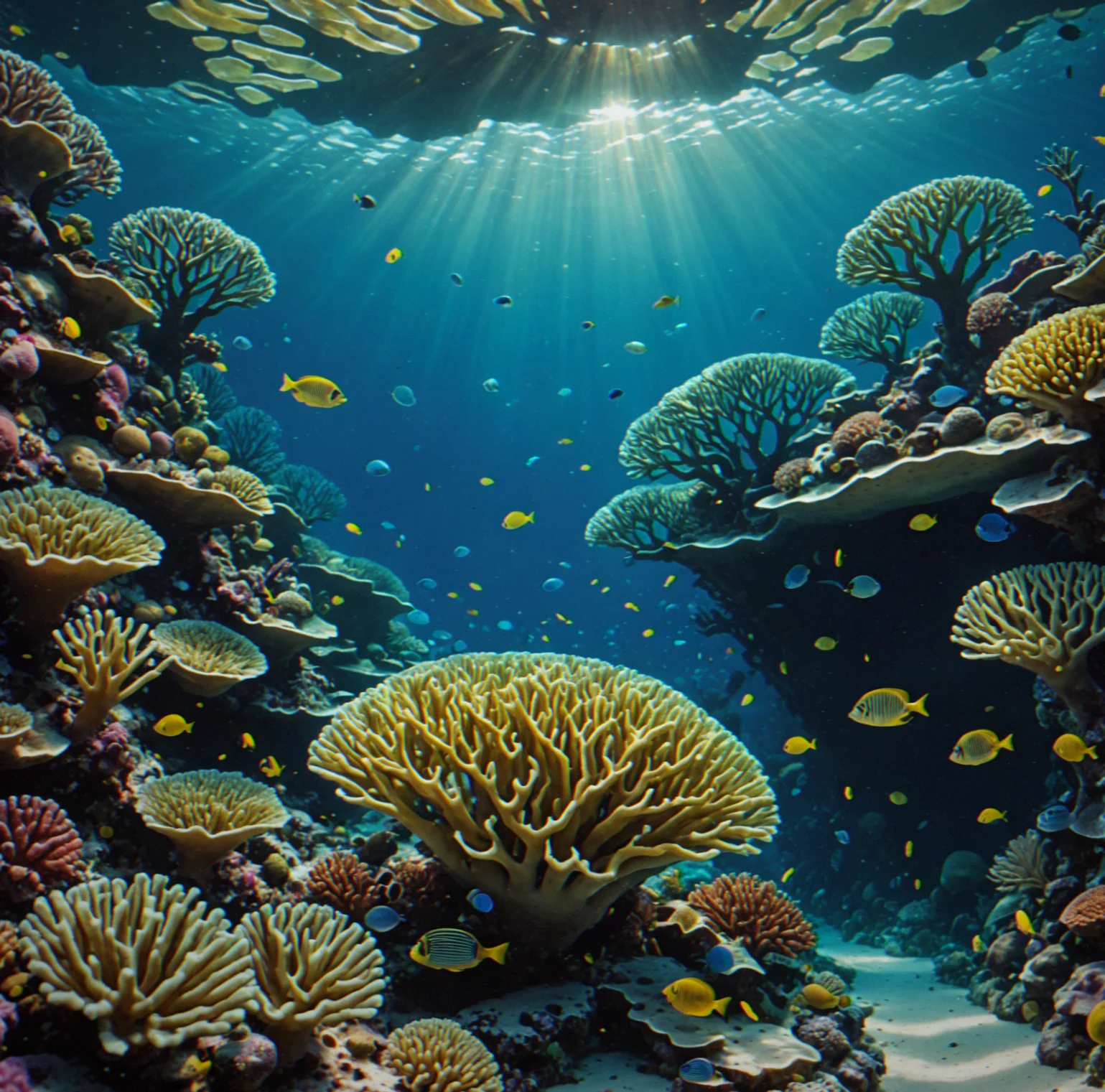
Inside coral tissue, zooxanthellae — these tiny algae — are living and photosynthesizing away. They produce sugars that feed the coral. In return, the coral gives them shelter and the nutrients they need to survive. It's a true partnership, neither one makes it alone. In your tank you'll watch this play out when you tweak the light or change feeding. You start to see why bleaching is such a disaster. That's when coral kicks out the algae, and everything falls apart.
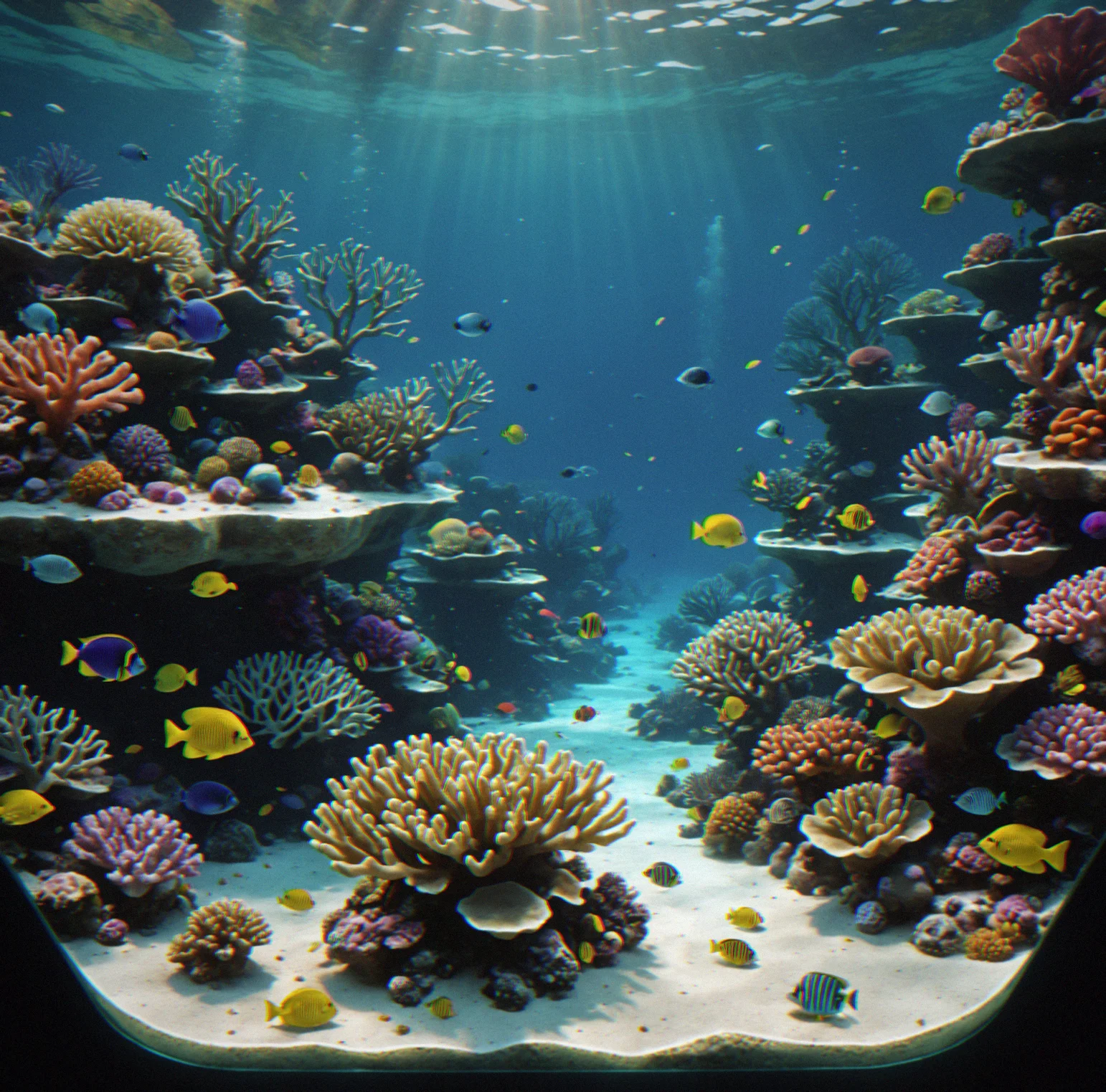
Salinity needs to sit around 1.025. pH should be close to 8.2. Calcium wants to stay above 400 ppm. These aren't random targets pulled out of thin air. They're the exact conditions coral evolved under over millions of years. Let pH slip to 8.0 and that symbiosis starts to crack. Growth stalls. Your coral reacts visibly and immediately, which is the whole point. You're seeing real biology happen in front of you, not some abstract number changing.
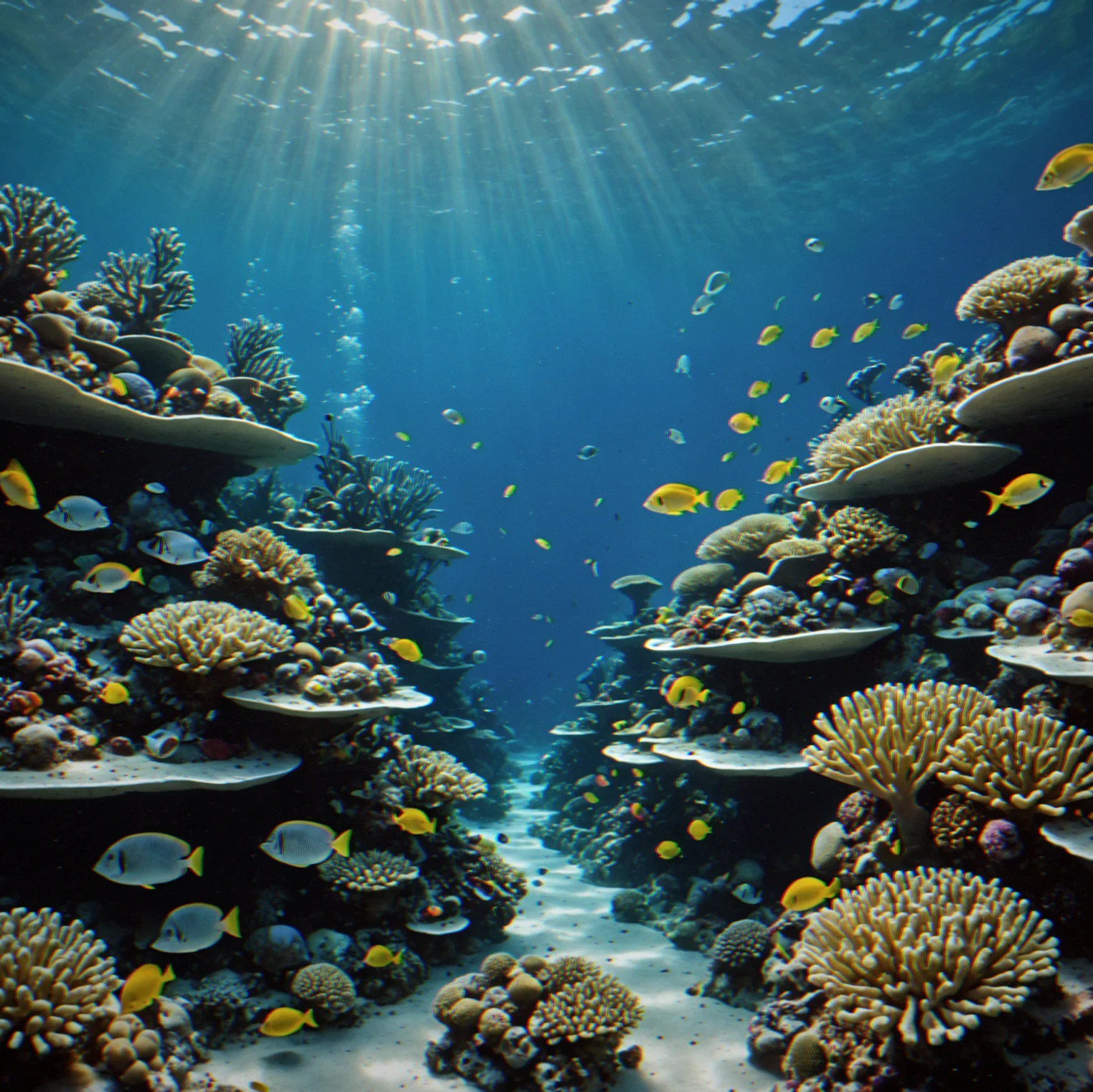
Restoration nurseries are real and they're operating right now. Scientists grow coral fragments in controlled tanks, keep tabs on them, then transplant the healthy colonies back to reefs that are struggling. The Coral Restoration Foundation does this work across the Caribbean. In Bluegarden you're mimicking exactly what they do, just scaled down. Your virtual tank is running the same playbook marine biologists actually use in the field.
Six moments from the tank that show what actually happens when you're watching a living system closely. The way things look connects directly to how they survive.
Staghorn coral with polyps open under blue light, substrate visible below
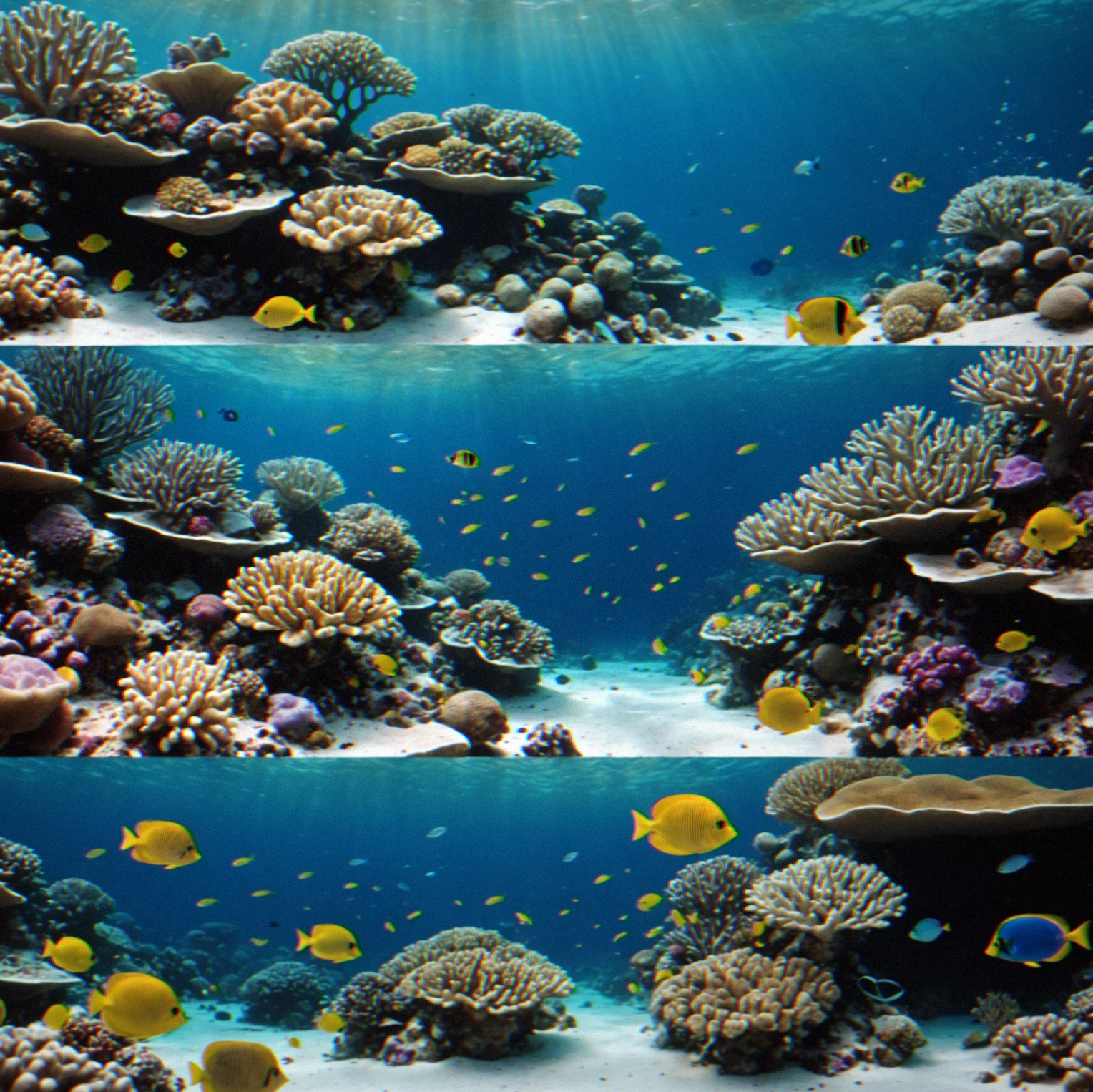
Settings screen with salinity reading at 1.025, color indicators show if it's right
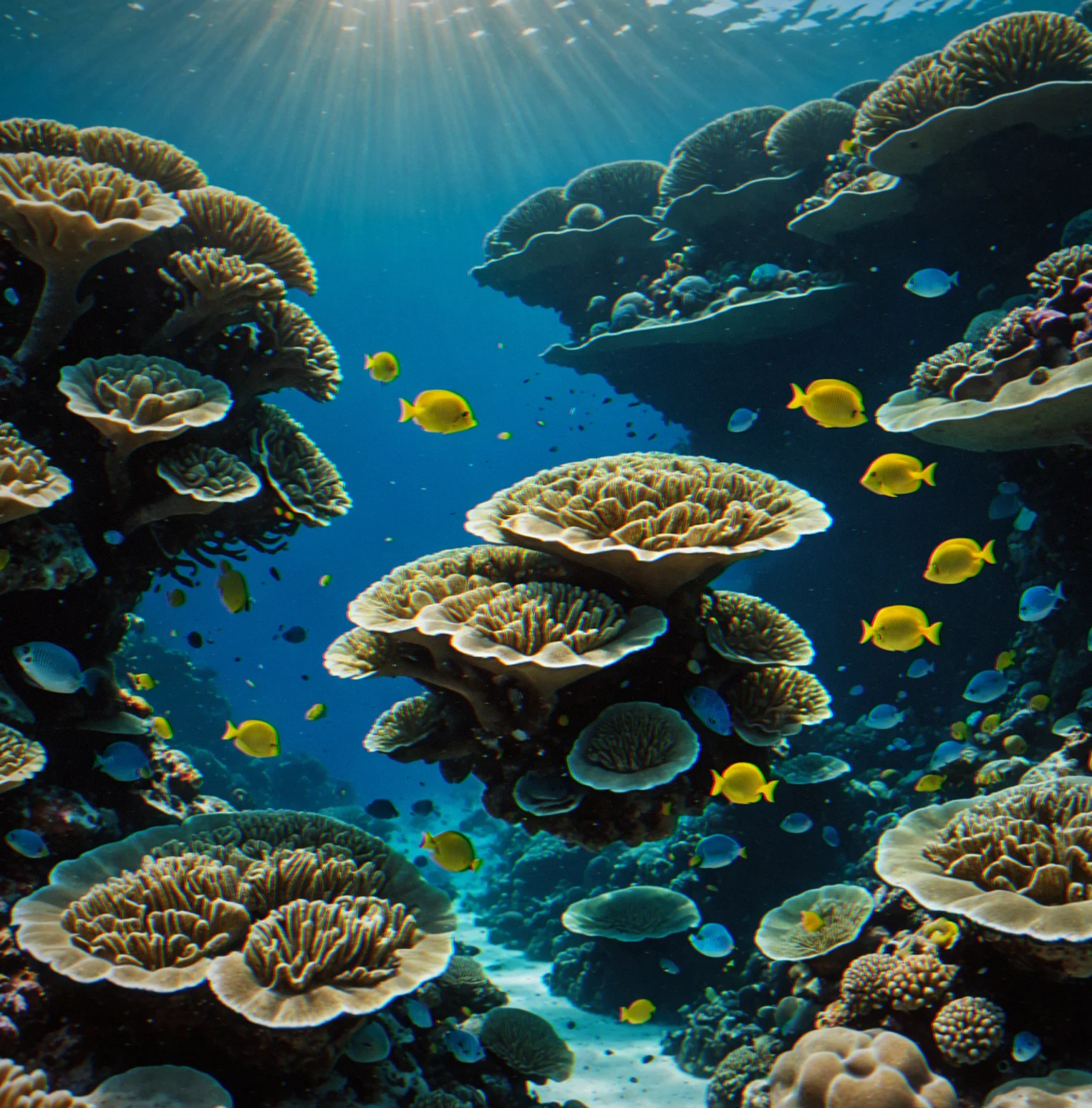
Brain coral in three stages at once — a small piece, something halfway there and a full-grown colony
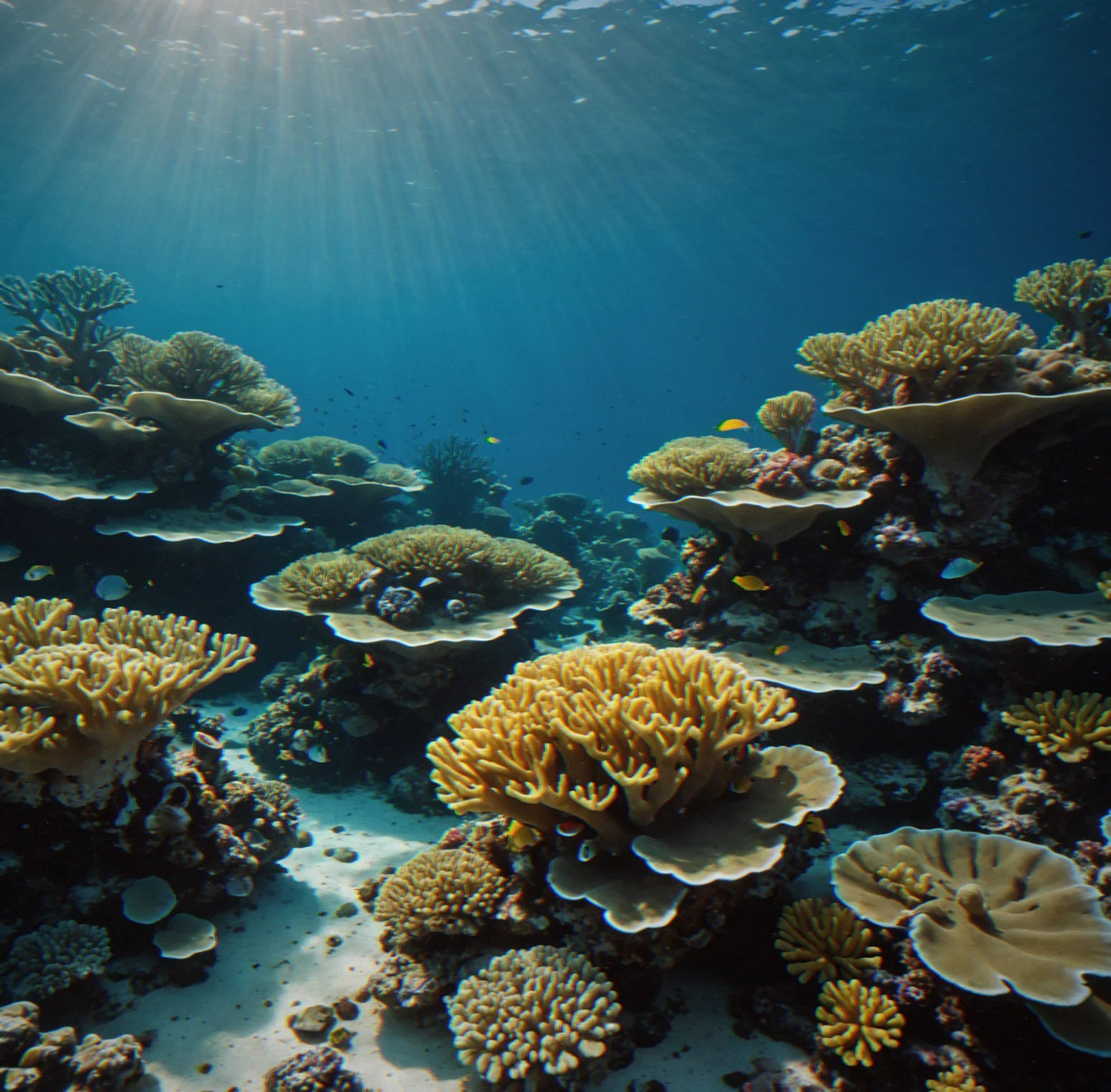
Elkhorn coral fading in color as pH climbs, polyps pulled back from stress
In-game note about zooxanthellae and how they work together, built right into the UI
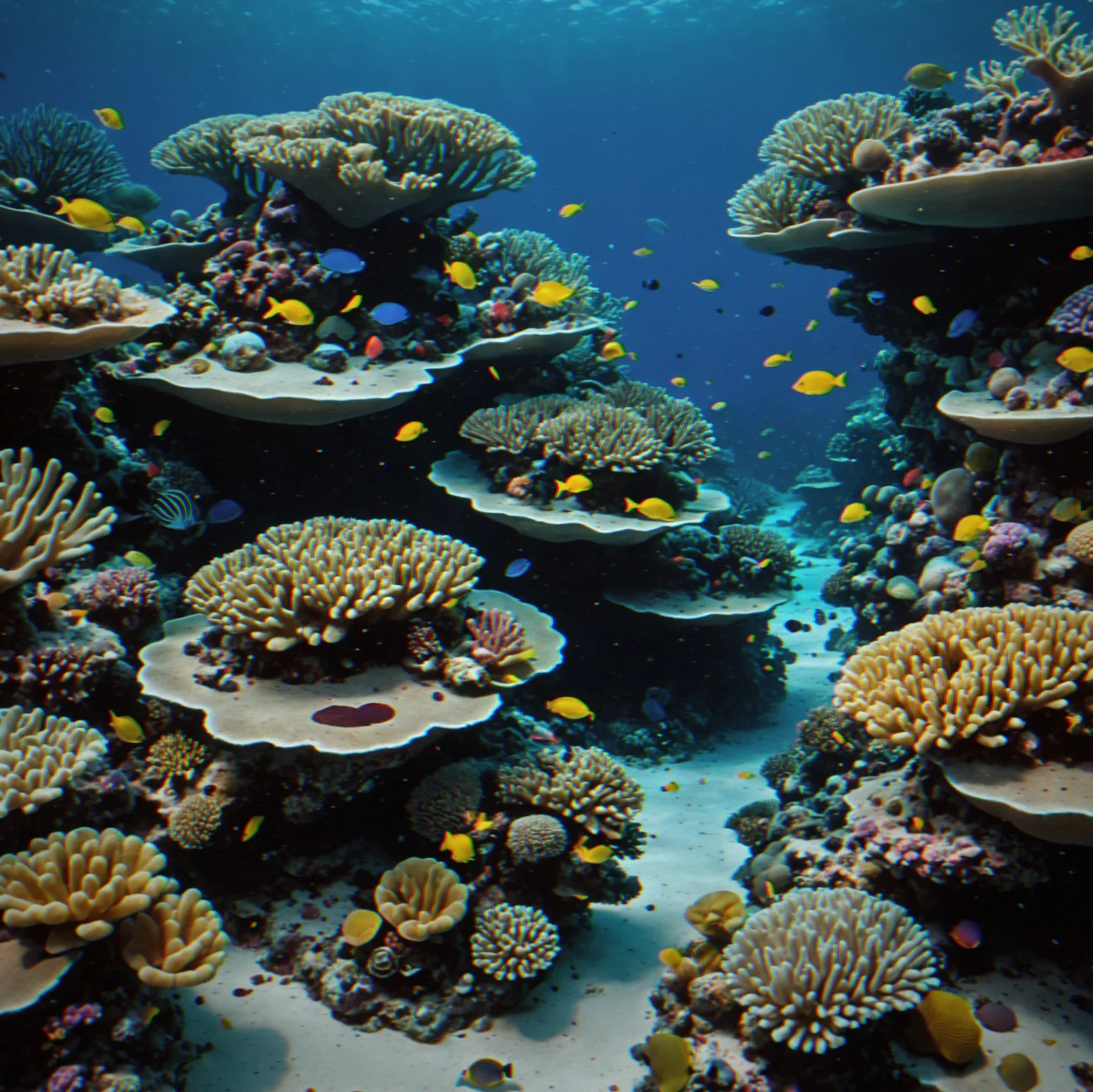
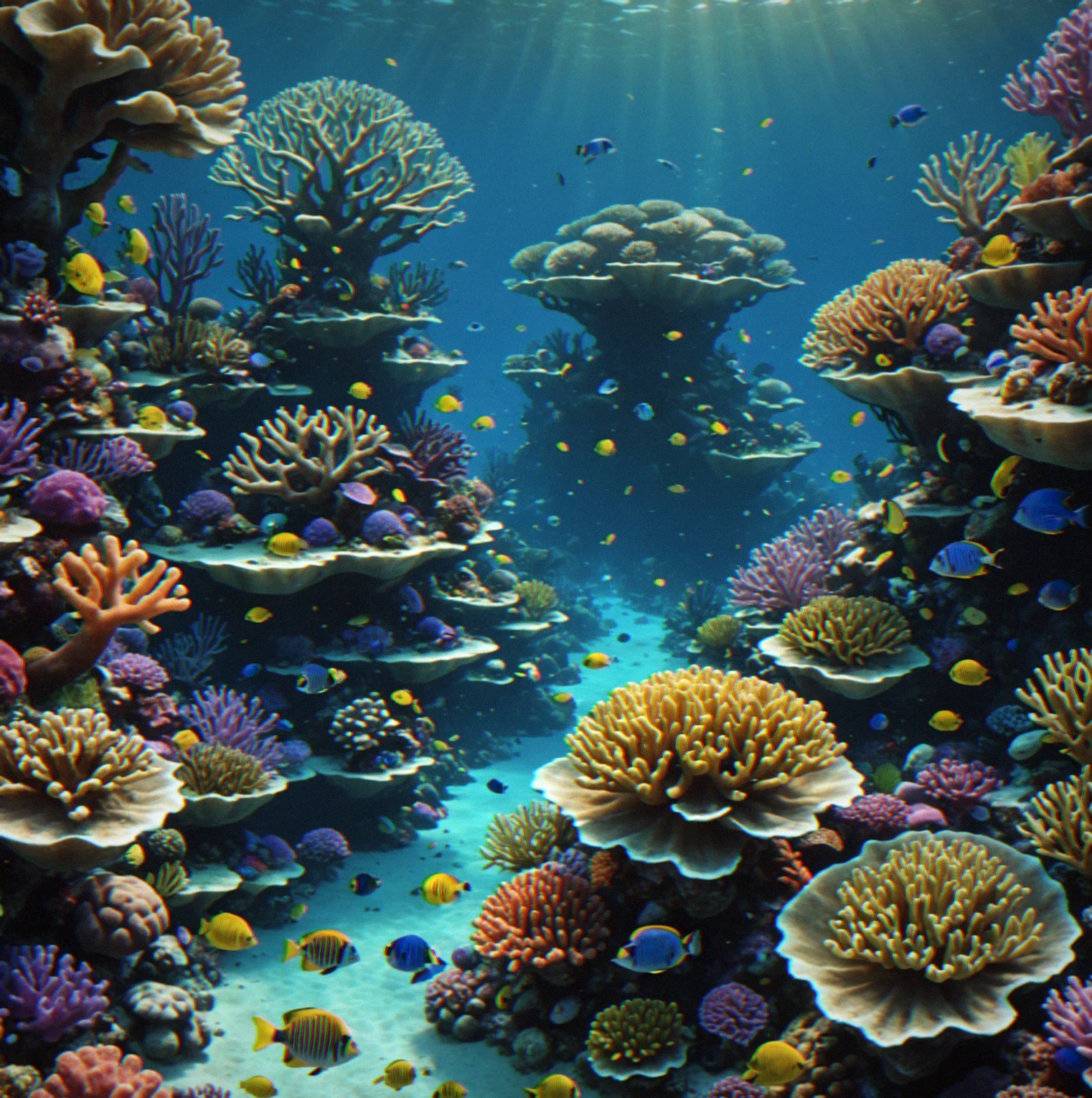
Full reef with three coral types all doing well, colors bright, polyps out as the sun drops
Six things you should know before you start.
One coral fragment, basic equipment, a tank. The game doesn't throw everything at you at once. It lets systems unfold naturally as you get comfortable. Your first hour is about salinity. By the fifth hour you're managing pH too. A couple weeks in and you're juggling five different parameters without thinking about it.
Coral doesn't die the moment something goes wrong. It weakens first. Growth slows down. You see it happening and you adjust. This isn't like those punishing strategy games. The whole design lets you learn through what actually happens instead of getting slapped with instant failure.
Salinity, pH, calcium, alkalinity, phosphate. Not made-up numbers. This is real water chemistry that marine biologists are measuring in their tanks right now. Bump salinity from 1.025 to 1.026 and your coral actually responds. Drop pH from 8.2 to 8.0 and you'll see polyp extension change. It's not abstract.
Staghorn grows fast when conditions are right. You see real progress in just a few days. Brain coral moves slower but lives for centuries in the wild. Elkhorn needs specific light and calcium ranges to thrive. Each one teaches you something different about how reefs work, how symbiosis functions and how fragile the whole system is.
You can't understand why reefs matter without knowing what's actually happening to them. About 30 percent of coral globally has been through severe bleaching events. Elkhorn populations in the wild have basically collapsed. Right now, restoration teams are growing coral fragments in tanks to replant them. The game weaves these facts into gameplay instead of making you sit through a lecture.
No ads, no season passes, no countdown timers trying to squeeze money out of you. You buy it once and it's yours forever. Play whenever, at whatever speed feels right.
Real questions from people considering Bluegarden. If you don't see yours, the answer is probably straightforward enough that it doesn't need its own entry.
It's educational because the mechanics are real. Salinity, pH, calcium and alkalinity are actual water chemistry parameters that marine biologists measure daily. Coral responds to them the way it does in nature. Adjust pH from 8.2 to 8.0 and polyp extension visibly changes. The conservation facts you unlock are accurate too—reefs bleached in recent years, restoration nurseries actually exist, zooxanthellae live inside coral tissue. You learn because you're tending a system that behaves like a real one.
Staghorn grows noticeably within days if conditions are optimal. Visible branching happens in a week or two. Brain coral takes months to show real growth, which matches wild behavior since it's slow and long-lived. Elkhorn sits somewhere in between. The game doesn't force you to wait in real time though. Check back daily and you see incremental change. Step away for a couple weeks and you return to substantial progress. No timers push you to spend money.
Not instantly. Your coral weakens first. Polyps retract, color fades, growth slows. You notice the change and have time to adjust. Push it too far for too long and yes, it dies. That's the point—failure is possible but gentle enough that you learn from it instead of just resetting. The game respects your time.
No. Bluegarden is built around your schedule, not its own. Coral exists and grows whether you're checking in or not. The game runs in the background. Check once a week if that's your pace and your staghorn won't have vanished. Daily play reveals patterns though. Polyps extend at dusk, growth accrlerates when parameters stabilize. That's the meditative part—you notice things because you're paying attention.